
The use of traditional heating, which is based on heating the air, causes water retention and, consequently, higher humidity.
An example will help us understand it better.
If the air temperature in our house is 10°C and the relative humidity is 80%, then the amount of water per kilogram is 6 grams. If we heat the air to 20°C, and the relative humidity remains the same, we will now produce 12 grams of water per kilogram of dry air. This doubles the likelihood of experiencing humidity problems due to condensation.
Around a conventional heater, when the air quality in the room is the same, condensation problems occur around the heater. This appliance alters the properties of the air, except for the walls directly below the dew point. This is why condensation only occurs in that area.
Having reached this point, what can we do to combat the cold and prevent condensation?
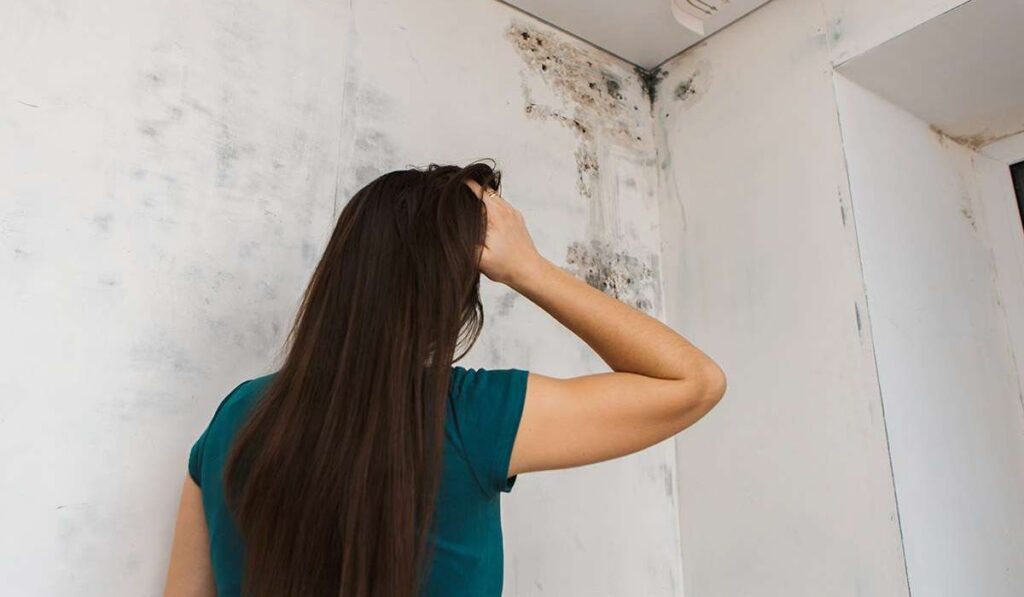
The condensation humidity It's a recurring problem in many homes, especially those in cold or humid climates. This phenomenon occurs when warm, humid air comes into contact with cold surfaces, such as windows, walls, or ceilings, and condenses into water droplets. This accumulation of moisture not only affects the appearance of the spaces but can also lead to structural and health problems, such as mold growth.

Condensation results from an imbalance between air temperature and its capacity to hold water vapor. Warm air has a greater capacity to hold water vapor in gaseous form. However, when this humid air comes into contact with cold surfaces, such as a window or a poorly insulated wall, the air temperature drops until it reaches the dew point, at which point the water vapor transforms into liquid water. The warm, humid air tends to rise, and if the ceiling is cold, condensation will form. This situation favors the growth of mold, whose spores can affect the health of the occupants, causing respiratory problems and allergies.
Having reached this point, what can we do to combat the cold and prevent condensation?
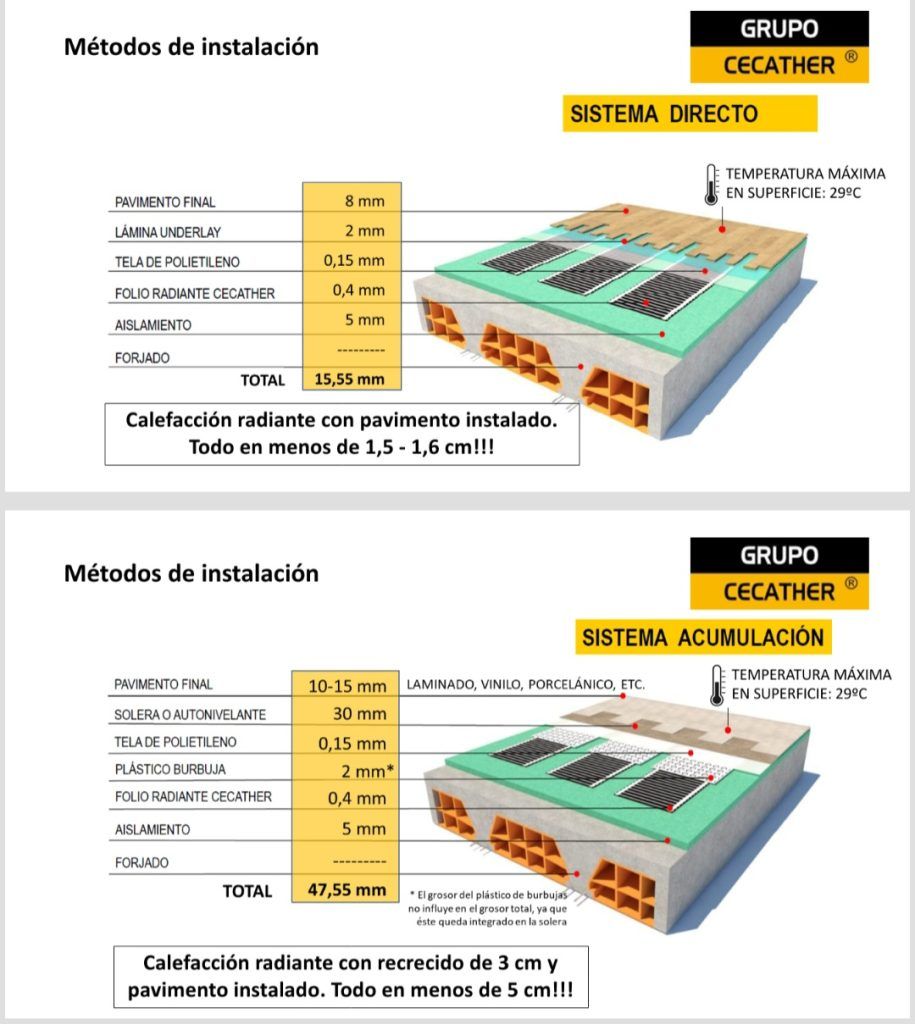
Install underfloor heating.
And why?
For several reasons….
The uniformity with which the temperature is distributed In space, it will avoid cold and excessively hot environmental zones, emitting heat at low temperatures.
Thanks to its uniformity, as it is a low-temperature system, underfloor heating prevents the drafts. With hardly any air moving, it is more difficult for dust and microorganisms to remain suspended and be inhaled.
Furthermore, with this technology the heat comes from the ground and, so to speak, we "feel it from the bottom up." In contrast, with the others convection systems, The hot air rises from its emission points towards the ceiling and accumulates there until we begin to feel it from "top to bottom".
Finally, the influence of underfloor heating on ambient humidity is minimal; there is neither condensation nor drying of the air. Therefore, if the humidity is already within acceptable ranges, we can be sure that our radiant system will not affect it. And if it is not, we can bring it back to acceptable levels using independent methods (regular ventilation and improved insulation of the house…).
In short, we could say that They not only influence our health not only the temperature and humidity but also the emitting system we use. And at this point, there's no doubt that there's no better option than a underfloor heating installation.